Standing on the vantage point of solid land, Adolf stared into the distance. In front of him the icy sea rose and fell rhythmically, and in the distance, the horizon formed the only line of defence between what he knew – and what he dreamed of.
He was young and the call of the sea was strong.
When his father died tragically in 1884 at the age of thirty-seven, Adolf’s childhood ended. As a seven-year old, Adolf was now the man of the family; the one his siblings would look up to, and his mother would rely on. His brother Axel was six, and his sister Signe was only three years old. Adolf’s grief at the loss of his father was overshadowed by the need to be strong.
Standing on that vantage point in Gothenburg Sweden, at the end of the 19th Century, the call of the sea promised the only hope Adolf had to secure a better life for himself, his mother, brother and sister. On the other side of the horizon was a better world. A world that could provide the opportunity he needed to support his family.
Sailing Away
The ship that was berthed in the harbour was due to leave, and Adolf knew he had to be on it. There was no choice. Silently and stealthily he slipped onboard, unnoticed. By the time he was discovered, it was too late to be escorted back to shore. Besides, Adolf was young, keen and could be put to work.
The sea continued to beckon Adolf from one ocean to another, and from one year to the next.
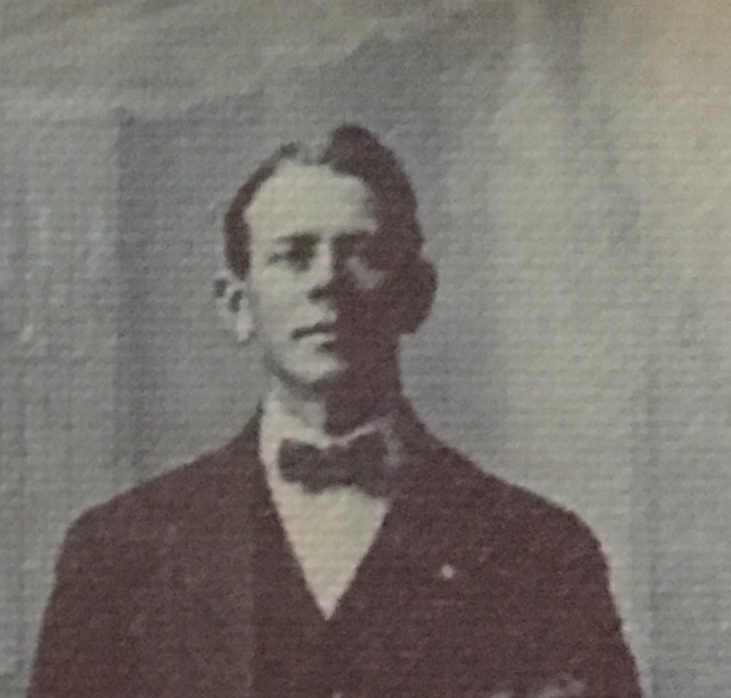
On the other side of the world, in the vast expanse of Australia, Adolf’s fate awaited him. The goldfields lured him with a promise of wealth, but his fate was sealed by the girl who captured his heart. By 1912 Adolf had changed his name from Adolf Bergman to Alfred Berg, and it was under his new name that he met and married Edith Atkinson.
The sea stopped calling Alfred because he was now anchored by the large family he and Edith created in Australia.
Sadly, he never returned to Sweden, but he never forgot the family he left behind.
My Swedish grandfather died in Bankstown in 1959.
 The Family History Vault